

A Typical Day at SMH Academy
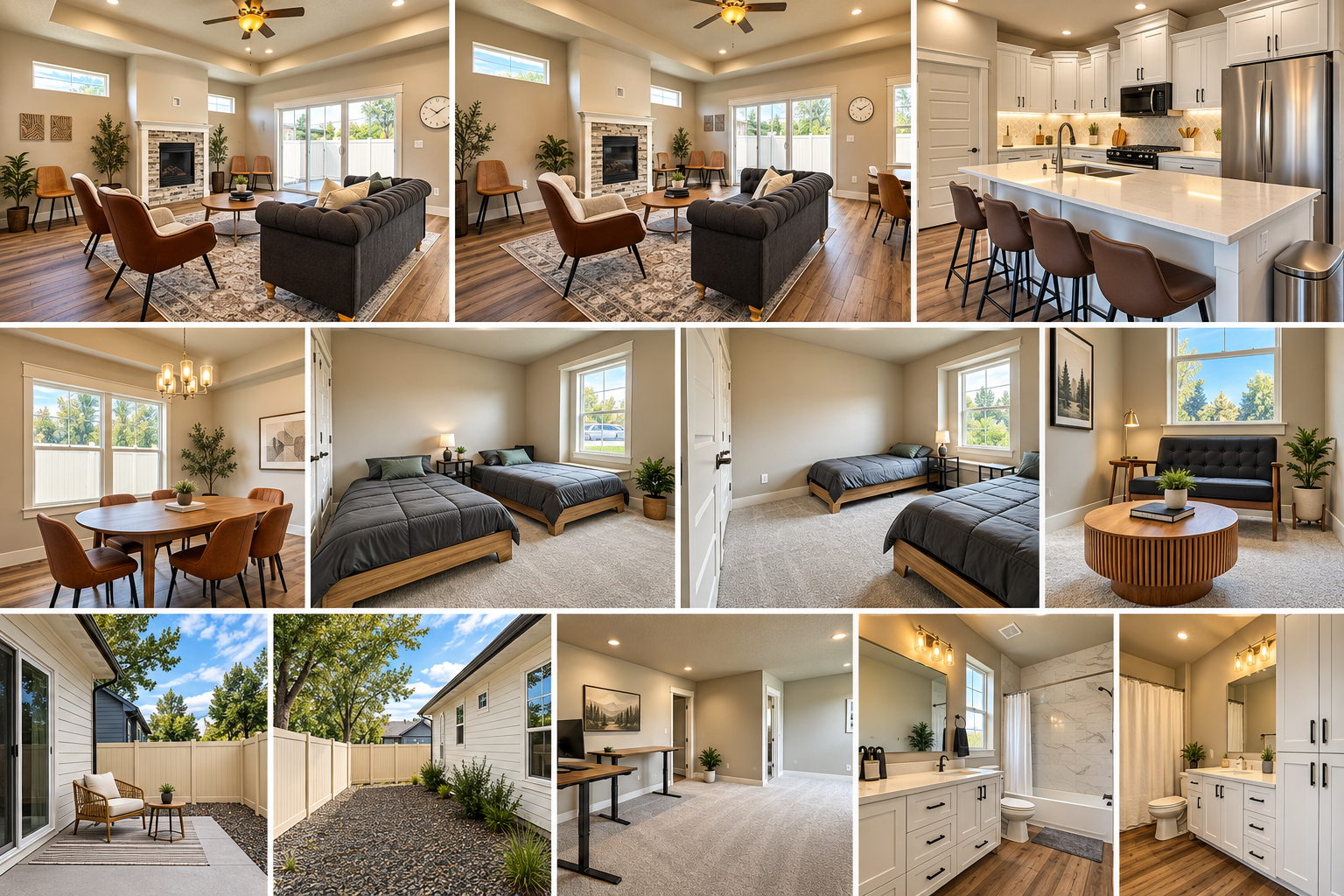
Daily Structure & Therapeutic Approach
At SMH Academy, a young adult residential program in Boise, ID, each day follows a structured routine built around core domains: nutrition, exercise, sleep, hygiene, household responsibility, academic or vocational work, community involvement, and clinical care. This structure is not incidental — it is the treatment.
-
Our program design reflects current understanding of how the brain regulates mood, behavior, and motivation. Consistent routines around sleep, nutrition, and physical activity support the neurobiological systems associated with emotional regulation, executive function, and stress resilience. Structure is not imposed for its own sake — it is the foundation from which residents build sustainable, internally driven habits.
The objective is not compliance. It is internal motivation. Residents are supported in developing the self-directed skills and confidence needed to maintain these habits independently, after they leave SMH Academy.
-
SMH Academy's behavior management framework is built on earned incentives, not punishment. Baseline necessities are never withheld as consequences. Instead, each resident works toward personally meaningful goals with the individualized guidance of a life coach, who helps translate our structured, evidence-based routines into daily progress the resident can see and take ownership of.
-
Structure is paired with clinical care. Residents participate in therapy three times per week, work with nutrition experts to address the connection between diet and mental health, and receive additional therapeutic interventions individualized to their treatment plan. Medication management is available when clinically indicated.
A Typical Day at SMH Academy
Morning
8:00 AM - Wake up with morning daylight exposure, followed by a nutritious breakfast
Morning light exposure helps anchor the circadian clock, supporting more stable mood, sleep, and energy regulation. A consistent wake time and early meal reinforce the body's natural hormonal rhythm.
Late Morning
9:30 AM - Exercise or focused work time, with frequent breaks to avoid burnout
Physical activity supports the neurobiological systems associated with mood and stress regulation. Built-in breaks protect attention and sustain follow-through rather than pushing through fatigue.
Lunchtime
12:00 PM - Prepare a healthy lunch and eat together
Shared meals support social connection and reduce isolation, while balanced midday nutrition helps sustain stable energy through the afternoon.
Early Afternoon
1:00 PM - Recreational break to support work-life balance
Unstructured downtime supports rest and recovery, reinforcing that the day's structure is meant to support wellbeing rather than eliminate flexibility.
Late Afternoon
3:00 PM - Finish focused work; community involvement
Purposeful activity paired with social engagement builds a sense of contribution and connection, both associated with reduced isolation behaviors.
Evening
6:00 PM - Family-style dinner, house chores, and wind down approximately 90 minutes before bed with a healthy bedtime routine
A consistent wind-down period reduces physiological arousal and screen exposure before sleep, supporting the transition into restorative sleep.
Bedtime
11:00 PM Sleep
A consistent sleep onset time reinforces circadian regularity, which is closely linked to emotional regulation and overall mental health.